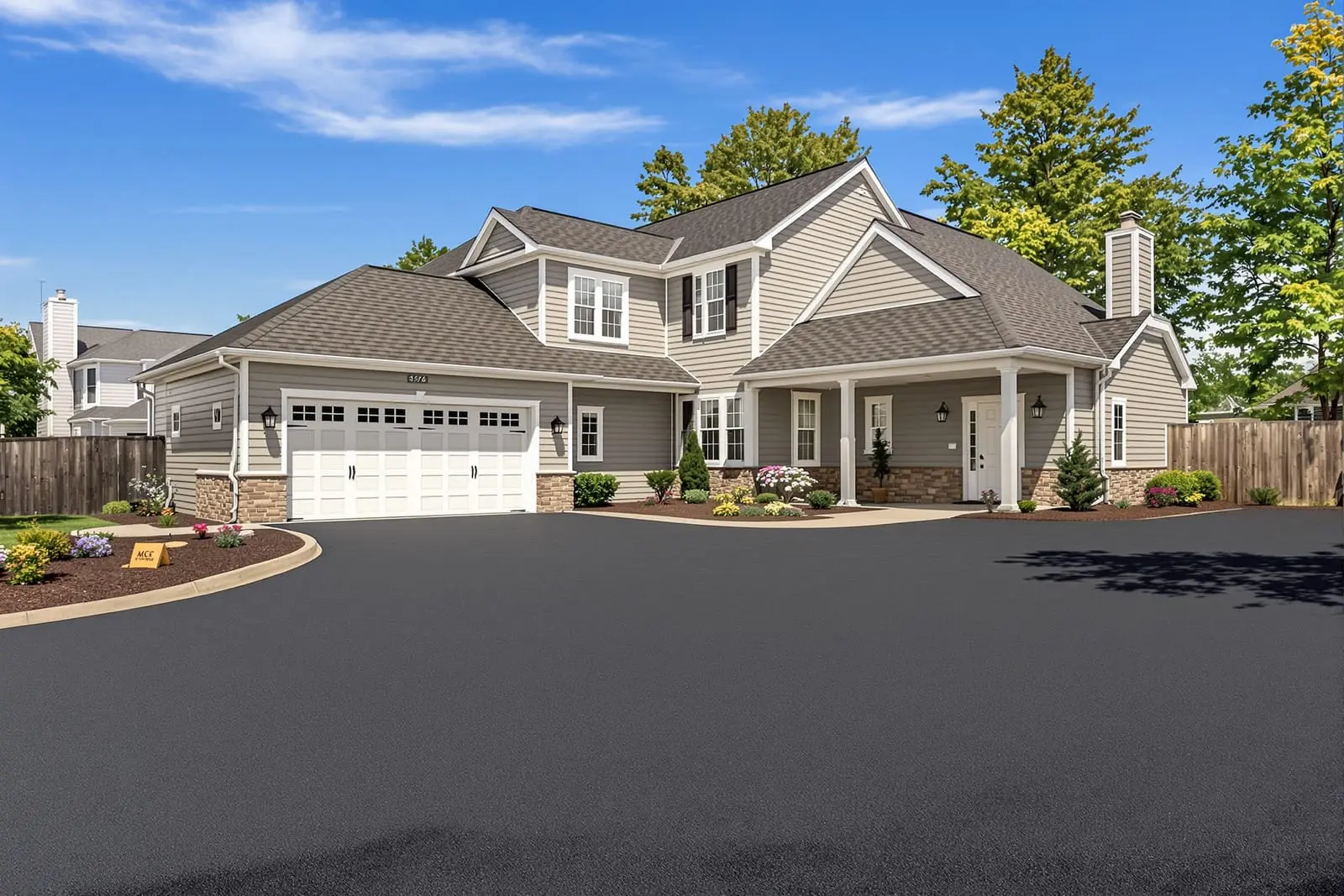
Turn muddy, dusty parking areas into professional pavement with commercial gravel to asphalt conversions in Miami, FL. We evaluate your existing base, regrade and compact as needed, and install new asphalt suitable for cars or heavy trucks. The result is a cleaner property and better first impression for visitors.
Prestige Asphalt Miami provides professional commercial gravel to asphalt throughout Miami, FL and the surrounding area. Our licensed, insured crew delivers safe, clean, on-time work with a free estimate before anything begins. Call (786) 460-3736 or request your free quote.
Turn Your Gravel Lot Into a Reliable Asphalt Surface
If you are tired of dust, ruts, and puddles in your gravel lot, Prestige Asphalt Miami specializes in commercial gravel-to-asphalt conversions that hold up to Miami traffic and weather. We help property managers, business owners, and HOAs replace high-maintenance gravel areas with smooth, striped asphalt that looks professional and is easier to keep clean.
A proper commercial gravel to asphalt project is more than just pouring blacktop over rocks. We evaluate how your property actually functions. For example, a restaurant with constant delivery trucks needs a heavier-duty design than a small office lot. We look at vehicle types, turning areas, drainage paths, shaded spots that stay damp, and any existing utility lines before we recommend a plan.
For Miami properties, a big driver of design is moisture and heat. Afternoon storms, high groundwater, and intense sun can wreck an asphalt surface that was not built on a solid, well-drained base. Prestige Asphalt Miami focuses on solving those issues at the gravel stage so your new asphalt does not rut, pump water, or crack prematurely.
How Our Gravel-to-Asphalt Conversion Process Works
A successful conversion starts with what you already have on the ground. We begin with a site walk and elevation check to see how thick your gravel base is, where water currently flows, and where the surface is too soft to support asphalt. Gravel depth often varies across a site, so we test multiple spots, not just one.
Step 1 is grading and shaping. We bring in motor graders and compactors to smooth ruts and create a consistent slope so water moves to planned drainage points instead of collecting in your driving lanes or in front of building entrances. In Miami, even a small low spot can turn into a mini pond after a summer storm, so we use laser levels to fine-tune slopes.
Step 2 is base correction. If your existing gravel is clean, dense, and deep enough, we may be able to reuse it by regrading and compacting to at least 95 percent density. Soft or contaminated areas, for example spots with organic soil, broken concrete, or old buried debris, are undercut and replaced with new base rock. On commercial projects with truck traffic, we often add a layer of crushed limestone or limerock base to increase structural strength before paving.
Step 3 is asphalt paving. For light duty commercial parking, we typically install 1.5 to 2 inches of surface asphalt over a solid base. For drive lanes, dumpster approaches, or areas that see semi trailers or heavy equipment, we may recommend 2.5 to 3 inches, sometimes in two lifts. Prestige Asphalt Miami uses hot mix asphalt designed for South Florida conditions, which helps resist rutting in high heat.
Step 4 is compaction and detailing. Steel drum and pneumatic rollers are used while the mix is still hot so we hit the right density and achieve a tight, smooth finish. After the pavement cools, we handle striping, traffic arrows, accessible parking markings, and, if needed, wheel stops or bollards. We usually reopen light duty commercial lots to traffic within 24 hours, and heavier areas on the schedule we set with you at the start.
Design Choices That Affect Cost and Performance
There is no single price for commercial gravel to asphalt work, because design choices and site conditions drive cost. At Prestige Asphalt Miami, we explain the tradeoffs clearly so you can decide where it makes sense to invest more and where you can safely save.
Base preparation is usually the largest variable. If your gravel has been in place and compacted by traffic for years, and drainage is decent, we may only need to fine grade and compact before paving. That is far more economical than a site that requires undercutting soft subgrade, importing new base, and building up low areas to correct poor slopes.
Asphalt thickness is the next big driver. A retail center with mostly cars and SUVs may be well served by a standard commercial section. A distribution yard or apartment complex with garbage trucks and delivery vehicles often benefits from thicker asphalt or reinforced drive lanes. Skimping here can lead to wheel ruts and base failure, which costs more to fix later than it would have to build correctly from the start.
Layout choices also matter. If we are converting a loose gravel field to a formal parking lot, we may help you adjust stall counts, traffic patterns, and entry points. A small shift in layout can reduce tight turns that grind away at asphalt and make striping simpler, which saves money both at installation and over years of restriping.
Timing affects cost too. In Miami, the most efficient time for commercial gravel to asphalt conversions is typically late fall through early spring when rain is lighter and daily thunderstorms are less frequent. We do work year-round, but heavy summer rains sometimes require additional scheduling buffers, pumping of water, or reworking of saturated base, all of which can raise project cost or extend the timeline slightly.
Miami-Specific Challenges and How We Handle Them
Gravel-to-asphalt work in Miami has a few quirks that contractors from other regions do not always anticipate. One of the biggest is drainage on flat, low-lying sites. Many commercial properties are only a foot or two higher than adjacent streets or canals. Prestige Asphalt Miami evaluates how your lot connects to surrounding elevations and uses subtle grading, flow lines, and occasionally drains or valley gutters to move water without creating steep slopes that feel uncomfortable for drivers.
Another challenge is high groundwater and saturated subgrade. When we find pumping areas (spots where water comes to the surface when compacted), we excavate to stable soil, then rebuild with appropriate base material. Sometimes we use a separation fabric between subgrade and base to keep fine soils from migrating up into the rock after repeated wet seasons.
Heat is a factor as well. Dark asphalt will get hot, especially in open lots with no shade. While there is no way to change the color of traditional asphalt, we can help by improving drainage so water dries quickly and by recommending traffic patterns that limit slow, power-steering turns in one spot that can scuff softer pavement on very hot days.
Operationally, most Miami businesses cannot shut down completely during paving. We regularly phase commercial gravel to asphalt conversions so half or a segment of the lot stays open. We coordinate work around your business hours, delivery schedules, and busy days. This might mean night or weekend work for medical offices or retail centers, with clear signage so customers know where to park while each phase cures.
What To Know Before You Schedule Your Conversion
Before you commit to a commercial gravel to asphalt project, there are a few practical steps that will make the process faster and more predictable. First, gather any site information you have, such as old plans, recent surveys, or previous permit drawings. Even if they are out of date, they can reveal where utilities, easements, or old pavements were located. That helps us plan saw cuts, avoid buried surprises, and keep inspections smooth.
Second, think about how your customers and staff actually use the space. Are there regular delivery routes, ride share pickup zones, or busy drive thru lines that must stay open? Share those priorities with Prestige Asphalt Miami during the initial visit. We can often adjust phasing or layout so the finished asphalt works better for your day to day traffic than the old gravel arrangement did.
Third, schedule early, especially if you want work done during drier months. Many property managers in Miami aim for conversions between November and April to avoid the heaviest rains. Booking ahead lets us align with your slower seasons and coordinate with any other contractors, such as lighting or fencing crews, who will be working in the same area.
Finally, budget not only for the conversion itself, but also for simple maintenance that protects your investment. New asphalt should be kept free of standing oil and fuel and heavy loads should be managed in designated areas. After your project, we provide a maintenance outline that covers crack sealing, occasional patching, and suggested timelines for sealcoating if appropriate for your specific site. With a properly built base and a realistic maintenance plan, a converted gravel to asphalt lot in Miami can serve your business reliably for many years.
“
Professional commercial gravel-to-asphalt conversions, done right the first time, quality materials, honest pricing, and results that last.
Prestige Asphalt Miami
Commercial Gravel-to-Asphalt Conversions Across Our Service Area