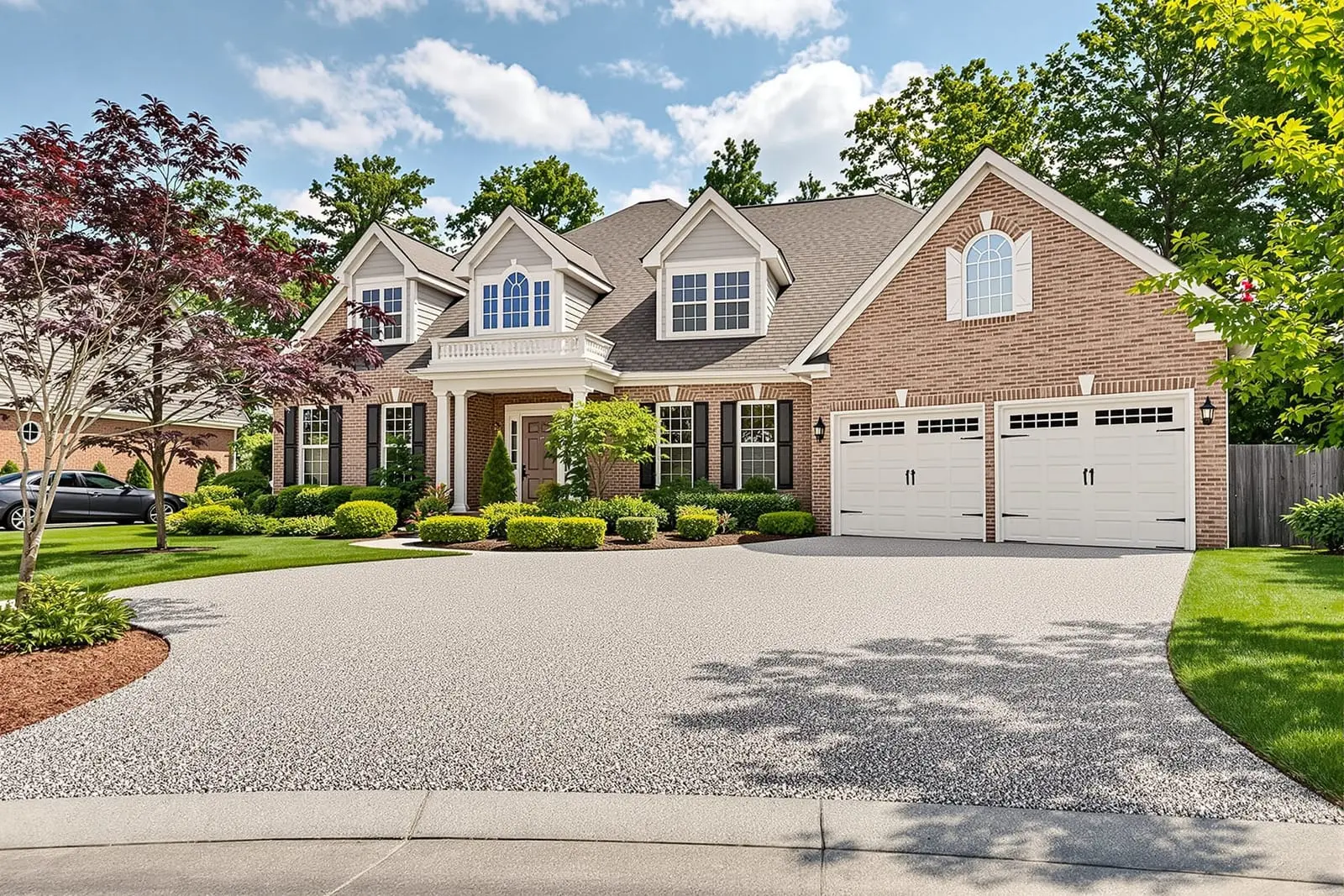
Tired of ruts and dust from your gravel drive. Our gravel to asphalt conversion in Miami, FL upgrades your surface to a smooth, clean driveway. We regrade and compact the base, adjust drainage, and install quality asphalt for a driveway that is easier to drive on and maintain.
Prestige Asphalt Miami provides professional gravel to asphalt conversion throughout Miami, FL and the surrounding area. Our licensed, insured crew delivers safe, clean, on-time work with a free estimate before anything begins. Call (786) 460-3736 or request your free quote.
Gravel-to-Asphalt Conversion Specialists in Miami
A gravel driveway or parking lot might work for a while, but South Florida rain, humidity, and daily traffic quickly turn loose stone into ruts and mud. Gravel washes into the street, dust coats cars and buildings, and constant regrading gets expensive. Prestige Asphalt Miami focuses on turning unstable gravel areas into smooth, permanent asphalt surfaces that stand up to the heat and storms we get in Miami.
Gravel-to-asphalt conversion is not just pouring blacktop over rocks. Done correctly, it starts with evaluating the existing base, drainage, and traffic patterns so the new pavement does not crack, rut, or hold water. Our crews use commercial-grade equipment, from grading tractors to vibratory rollers, and we follow specifications appropriate for local soils and Miami-Dade weather conditions.
We work on residential driveways, private roads, HOA communities, and commercial parking areas. Whether you are tired of tracking gravel into your garage or you need a cleaner, more professional parking lot for customers, Prestige Asphalt Miami designs each project around your specific site conditions and use, not a one-size-fits-all template.
How a Gravel-to-Asphalt Conversion Really Works
When Prestige Asphalt Miami converts gravel to asphalt, the first step is a site assessment. We check subgrade firmness with proof-rolling and probe problematic soft spots. In Miami, we also look closely at how water leaves the site because poorly managed rain is the fastest way to destroy new asphalt. We review where vehicles enter, park, and turn, since those areas need extra structural strength.
After planning, we strip loose, contaminated, or organic material out of the existing gravel. Old, dusty gravel that has mixed with soil cannot support asphalt reliably, so we rework or replace it with a compacted base material that meets gradation requirements. Our crews use plate compactors in tight spaces and heavy rollers on open areas to achieve uniform density across the entire footprint.
Once the base is stable and at the correct elevation and slope, we install asphalt in one or more lifts. For most driveways and light commercial areas we place a structural base course, then a smoother surface course on top. Each lift is machine placed wherever possible, then compacted hot with steel rollers so the asphalt binds tightly and does not segregate. We finish edges neatly, feathering to existing concrete aprons, roads, or sidewalks to avoid trip edges and water traps.
Base Preparation: The Foundation That Makes or Breaks Your Asphalt
The biggest difference between a temporary gravel surface and a long lasting asphalt pavement is the base. Miami soils can be a mix of sand, fill, and limestone rock. Some areas drain well, others hold water just below the surface. Prestige Asphalt Miami tests how your existing gravel layer behaves under load and adjusts the base design to suit your exact property.
If the gravel is too thin or uneven, we import additional base rock and install it in layers, each compacted separately. In softer spots we may undercut and remove weak material, then rebuild with a more stable aggregate. Where driveways meet garages or pavers, we tighten tolerances so the new asphalt sits at the right height and does not create a lip.
Slope is critical in Miami because downpours can drop inches of rain quickly. During base grading we shape the surface to move water off the pavement and toward acceptable drainage points, not into your yard or neighbor's property. This is when we correct long-standing problems like puddles at the bottom of a driveway or rutting near the street. A carefully graded and compacted base is what keeps a gravel-to-asphalt conversion smooth years after installation.
Design Options: Thickness, Layout, and Edge Treatments
Not every gravel area needs the same asphalt structure. Prestige Asphalt Miami designs thickness based on actual use. A single family driveway with cars and light SUVs may only need 2.5 to 3 inches of asphalt over a solid base. Commercial lots with delivery trucks or garbage trucks often require 3 to 4 inches or more, with reinforcement in travel lanes and loading zones.
Layout is another opportunity to improve function when you convert from gravel. Because gravel shifts freely, many existing areas are larger than they need to be or have awkward turning areas. We can tighten up the footprint, create clearer parking stalls, and refine entrance flares so cars can turn without cutting corners. For private roads, we may recommend widening certain sections or straightening tight S curves that cause vehicles to rut the shoulders.
Edge treatment matters more after conversion since asphalt holds a crisp line instead of a loose edge. We can install asphalt shoulders, taper into grass, or match to concrete curbs depending on your property. In some Miami neighborhoods, HOAs prefer a neat saw cut joint to an existing roadway. In others, a smooth taper into crushed rock or shell at the edge looks more natural. We help you choose an option that supports the pavement and matches the surroundings.
What Drives the Cost of a Gravel-to-Asphalt Conversion
Homeowners and property managers often ask why two gravel-to-asphalt projects can have very different prices even if they look similar. The main cost drivers are base condition, access, thickness, and drainage work. Prestige Asphalt Miami provides clear, line item estimates so you understand where each dollar goes.
If your existing gravel base is thick, clean, and well compacted, we may be able to reuse most of it and just reshape and cap with asphalt. This keeps costs lower. If your gravel has sunk into mud or is full of organics, we need more excavation and new base rock, which adds labor and materials. Tight access that requires smaller equipment can also influence the price because production speed drops.
Thickness of asphalt and base is chosen based on expected traffic and local code or HOA requirements, not just budget. Cutting thickness to lower cost often leads to rutting and premature cracking, particularly under Florida heat. Drainage improvements such as new swales, small catch basins, or added grading can be a smart investment because they protect the entire pavement structure from water damage and reduce repair costs later.
Timing, Weather, and Miami-Specific Considerations
In Miami, we can technically lay asphalt year round, but timing still matters. High humidity and frequent afternoon storms in the rainy season can shorten working windows. Prestige Asphalt Miami schedules gravel-to-asphalt conversions to minimize the risk of heavy rain hitting the site while the base or asphalt is exposed. When necessary, we phase work so you always have at least partial access.
Before your project begins, we will confirm utility locations and any local permitting needs, especially for commercial properties or where the conversion changes drainage patterns. During construction, we may ask you to keep vehicles off the area for 24 to 48 hours after paving so the new asphalt can cool and achieve initial strength. In extreme heat we sometimes recommend slightly longer cure periods before heavy trucks use the surface.
Miami's sun and UV exposure are intense. While that does not stop us from installing asphalt, it does influence long term care. We typically recommend allowing new asphalt to fully cure for several months before considering any sealcoating. Proper curing helps the asphalt binder stabilize so your pavement resists softening on hot days and maintains its structure over time.
What to Expect When You Hire Prestige Asphalt Miami
A successful gravel-to-asphalt conversion starts with clear communication. When you contact Prestige Asphalt Miami, we schedule an on site visit, not just a quick look from the street. We measure, check elevations, assess drainage, and ask how you actually use the space. This allows us to propose a design that fits not only the site but also your daily routines, visitor traffic, and future plans.
Before work begins, you receive a written scope describing base preparation, asphalt thickness, areas to be paved, and any drainage or layout changes. During the project, our crew leader is on site to answer questions and review progress with you. We keep the site as orderly as possible, control dust and debris, and coordinate staging so neighbors and customers are impacted as little as practical.
After paving, we perform a walkthrough to check surface smoothness, drainage behavior, and transitions to existing surfaces. We explain recommended maintenance, such as when to park heavy vehicles, how to handle minor spills, and when to consider sealcoating. Our goal is that your new asphalt surface feels like a significant upgrade from gravel from day one and continues to perform well for many years in Miami's demanding climate.
“
Professional gravel-to-asphalt conversions, done right the first time, quality materials, honest pricing, and results that last.
Prestige Asphalt Miami
Gravel-to-Asphalt Conversions Across Our Service Area