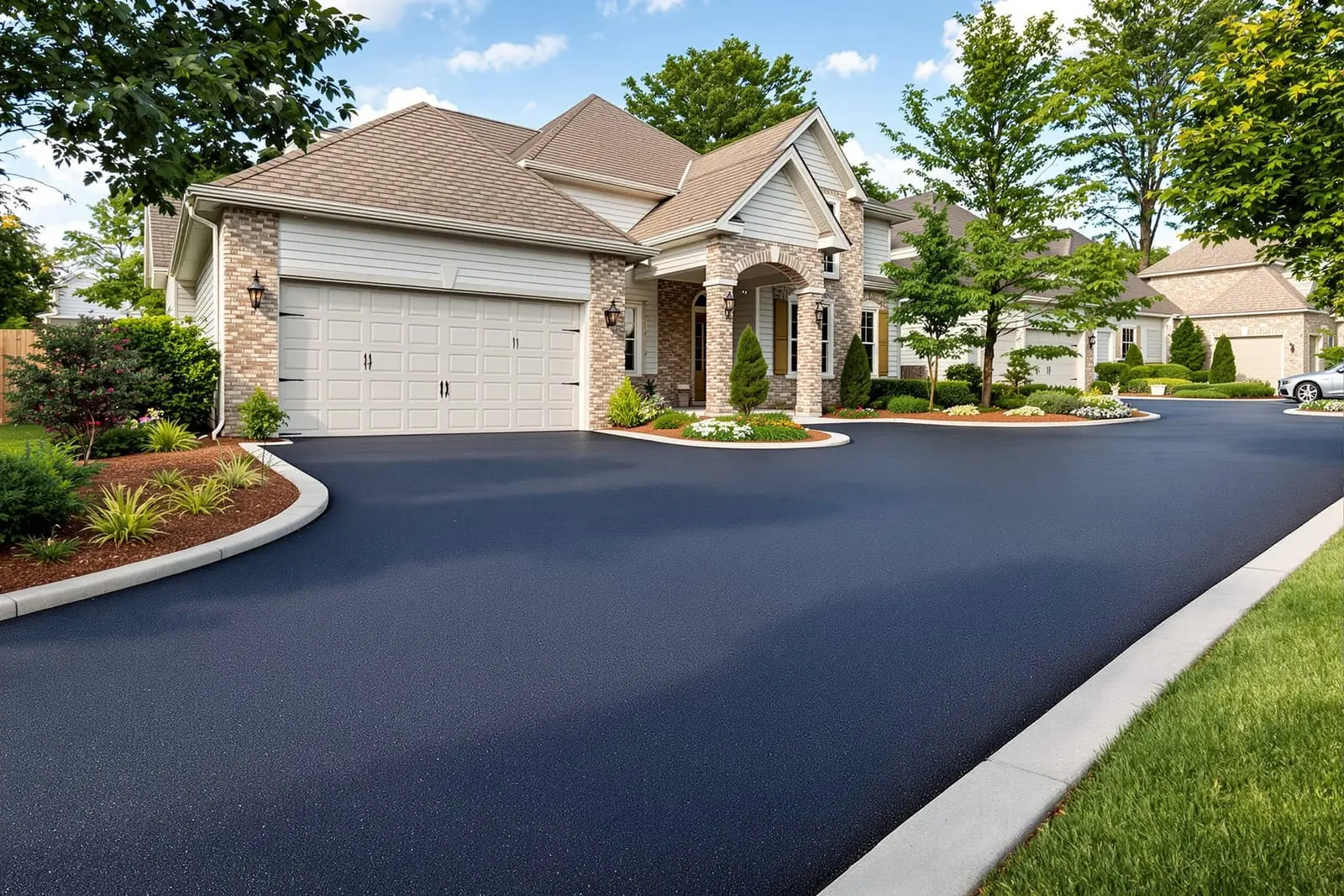
Handle heavy traffic and equipment with industrial asphalt paving in Miami, FL. We design and install thicker asphalt sections and reinforced bases for loading docks, truck yards, and industrial sites. Our team considers turning movements and drainage to create durable, low maintenance pavement.
Prestige Asphalt Miami provides professional industrial asphalt paving throughout Miami, FL and the surrounding area. Our licensed, insured crew delivers safe, clean, on-time work with a free estimate before anything begins. Call (786) 460-3736 or request your free quote.
Industrial Asphalt Paving for Tough Miami Worksites
When you run an industrial facility in Miami, your pavement is not just a driveway. It is a working surface that has to handle loaded trailers, forklifts, cranes, fuel deliveries, and constant turning traffic. Prestige Asphalt Miami designs industrial asphalt paving that is built specifically for heavy-duty loads in our hot, coastal climate, not just a thicker version of a parking lot.
We start every industrial asphalt paving project with a site walk where we watch how your yard or access road is actually used. We map out truck paths, loading zones, dumpster pads, container storage, and high-turn areas. Then we match pavement thickness, base design, and asphalt mix to each zone instead of using one specification for the whole site. For example, a container storage lane may receive a thicker asphalt section and stronger base than a simple employee parking strip.
Miami’s heat and intense afternoon storms are a big factor. Softer mixes that might work in cooler states can rut and shove here under truck traffic. Prestige Asphalt Miami uses industrial-grade, higher-stability hot mix and, where needed, polymer-modified binders that resist rutting in 90-degree weather. We also pay close attention to drainage, because standing water during a heavy storm can break down the surface and sub-base much faster on heavy-duty pavements.
How Industrial Asphalt Paving Is Built Step by Step
The way heavy-duty asphalt is installed is just as important as the materials. Prestige Asphalt Miami follows a clear, field-tested process that we adjust for each industrial site.
1) Subgrade evaluation and proof-rolling. We begin by stripping weak material and testing the soil with a loaded truck or roller (proof roll). If we see pumping, rutting, or deflection, we undercut and replace those areas with stronger fill or stabilized base. In some Miami sites near the water or canals, we may recommend soil stabilization with lime or cement to control moisture and improve bearing capacity.
2) Base installation. For most industrial asphalt paving in Miami, we install 6 to 12 inches of compacted limerock or crushed concrete, sometimes more for loading docks or container yards. We compact in thin lifts and verify density with field tests, not just by eye. A dense, uniform base prevents settlement under repeated axle loads.
3) Layered asphalt structure. Heavy-duty sections are usually built in multiple layers, for example a 2 inch surface course over a 2 to 3 inch binder course, and sometimes an additional base course. Binder courses use coarser aggregate and higher stability, while the surface course is tighter and smoother for drainage and driving comfort. In high-stress areas like tight turning radii or forklift paths, we may recommend thicker binder and a slightly more textured surface to improve traction.
4) Grades and drainage. Before we pave, we shoot grades to create positive drainage toward inlets or swales. Even a quarter inch per foot can make a difference in Miami downpours. On industrial sites, we also consider wash-down areas and fuel stations and keep water from ponding around tanks or loading docks.
5) Compaction and finishing. During asphalt placement, we maintain consistent temperatures and use both steel drum and pneumatic rollers. Proper compaction is what turns asphalt from a loose mat into a dense, load-bearing surface. We target specific compaction ranges appropriate for industrial use so that the pavement can carry heavy traffic without premature cracking or rutting.
Design Choices, Thickness, and What Drives Cost
Industrial asphalt paving is highly customizable, and understanding your options helps you control both performance and budget. Prestige Asphalt Miami walks you through each major design choice so you are not just picking from generic line items on a proposal.
Thickness and section design are the biggest cost drivers. For light truck traffic, a total asphalt thickness of 3 to 4 inches over a solid base may be sufficient. For 18-wheelers, container storage, or heavy equipment, that can grow to 5 to 7 inches or more, on a thicker base. Instead of overbuilding the entire site, we often propose variable thickness, heavier sections where trucks turn and load, and standard sections where traffic is lighter. This targeted approach keeps costs reasonable while still protecting critical areas.
Mix type and binder grade also affect cost. A standard commercial mix is less expensive but may not handle constant heavy loads and Miami heat over the long term. For high-stress zones or continuous truck traffic, upgraded industrial mixes with modified binders cost more upfront but reduce the risk of ruts and surface shoving that can shut down your operations.
Site preparation can be a major factor, especially in older Miami industrial parks and waterfront properties. Removing failed pavement, correcting poor drainage, replacing saturated base, or working around buried utilities will influence both price and schedule. During estimating, Prestige Asphalt Miami makes a point of identifying visible risks and, when possible, opening a small test pit so you know what is under the existing pavement.
Finally, scheduling can impact both cost and quality. The best paving windows in Miami for heavy-duty work are typically late fall through early spring when surface temperatures are easier to control. Summer projects are absolutely possible, but we may adjust crew size and shift times to avoid paving in the hottest part of the afternoon so the asphalt does not cool too fast during compaction.
Common Industrial Pavement Problems and How We Prevent Them
Industrial sites in Miami tend to show the same few pavement failures, but the causes are often different from those in regular parking lots. Prestige Asphalt Miami designs projects with these specific problems in mind so you are not redoing the same repair in a couple of years.
Rutting and shoving near docks or gatehouses comes from repeated slow or stopped heavy loads in high heat. To prevent this, we increase asphalt thickness at docks, upgrade to rut-resistant mixes, and sometimes add a concrete dock apron tied into the asphalt so the pavement does not move where trailers sit.
Alligator cracking in drive lanes is typically a sign that the structure under the asphalt is failing, not just the surface. Instead of just patching the top, we saw-cut around the failed area, remove material to the base or subgrade, rebuild the base, then install new binder and surface courses. For recurring problem spots, we may recommend a thicker base and binder or a different traffic pattern to reduce concentrated loads.
Ponding water in low spots is common after heavy Miami rains and shortens pavement life quickly under heavy traffic. We address this during design by adjusting grades and, when necessary, installing additional catch basins or trench drains. On existing sites with limited slope options, we can mill high spots and install leveling courses to restore positive drainage.
Fuel and chemical spills at industrial facilities can soften asphalt over time, especially around fueling stations or maintenance areas. For these locations, we may specify a more resistant surface mix and recommend regular cleaning. Where spills are frequent and heavy, we sometimes suggest a concrete pad in the immediate fueling zone that transitions smoothly into the surrounding asphalt.
Planning, Permits, and Working Around Your Operations
Industrial asphalt paving in Miami is as much about logistics as it is about construction. Prestige Asphalt Miami works with your plant manager, safety officer, or property manager to keep trucks moving while work is underway.
We typically break the project into phases so you keep at least one access route open. For example, we may pave the inbound lane while traffic uses the outbound lane in both directions, then switch. At distribution centers, we coordinate dock shutdowns, working on a set of loading bays while others remain open so your shipping schedule stays intact.
From a permitting standpoint, many industrial paving projects in Miami require coordination with the city or county, especially if we are modifying entrances at the right of way, adjusting drainage, or increasing impervious area. Our team can assist with basic permits, pavement sections for plan review, and coordination with your engineer when needed.
Before you hire an industrial asphalt paving contractor, ask about their experience with heavy-duty sections, not just retail plazas. You want to see example projects with tractor-trailer traffic, container yards, or similar loading to your operation. Ask for proposed section thicknesses, base details, and mix types in writing, and look for explanations that relate to your specific use, not a one-size-fits-all spec.
Prestige Asphalt Miami is available to walk your site, discuss traffic patterns, and provide a detailed industrial asphalt paving plan tailored to the way your facility actually runs, so your new pavement becomes a reliable part of your operation instead of a recurring headache.
“
Professional industrial and heavy-duty asphalt paving, done right the first time, quality materials, honest pricing, and results that last.
Prestige Asphalt Miami
Industrial and Heavy-Duty Asphalt Paving Across Our Service Area