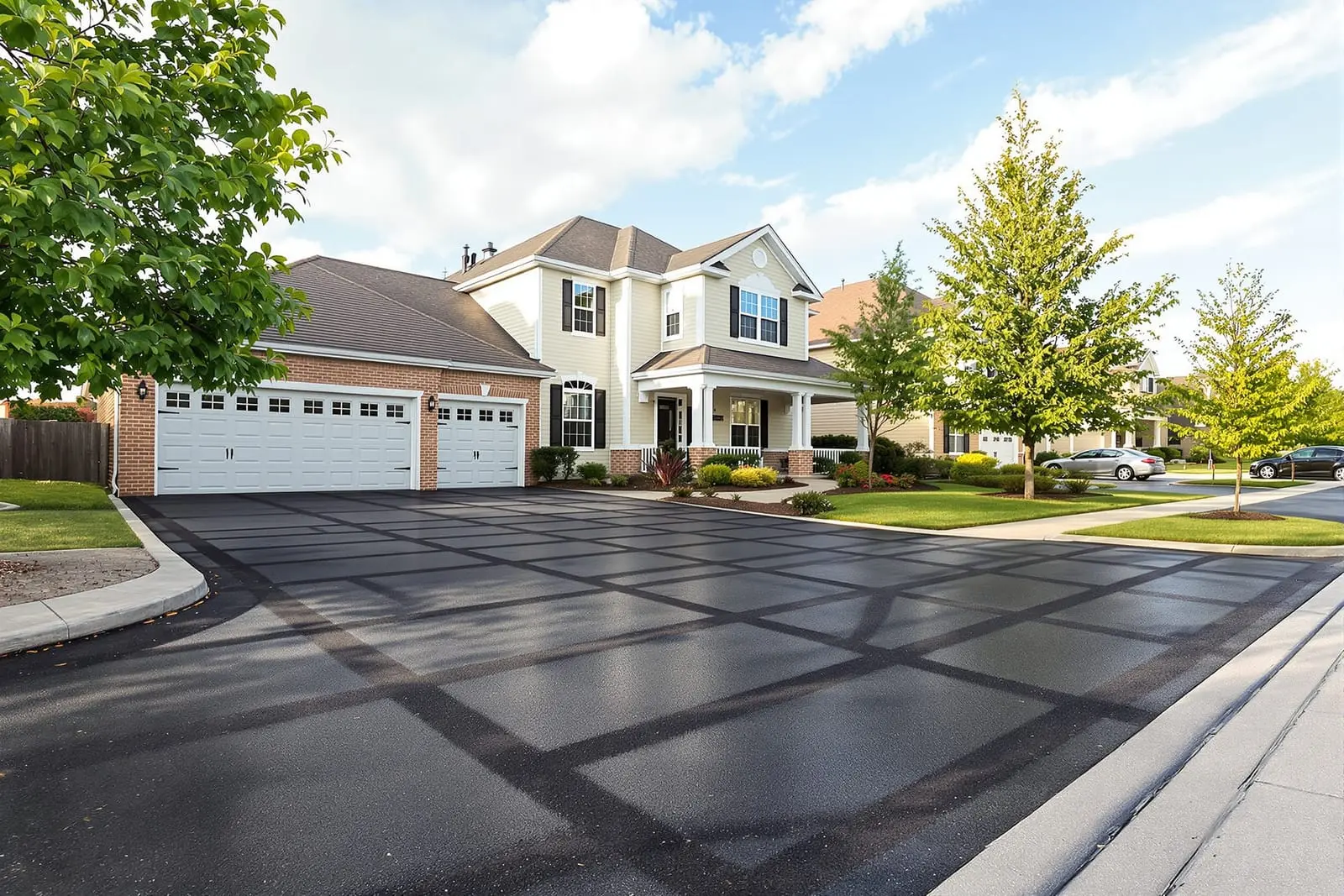
Partner with a dependable crew for municipal paving in Miami, FL. We pave and resurface city streets, subdivision roads, and public parking areas with attention to specs and safety. Our team coordinates traffic control, phasing, and inspections to keep projects on schedule and within budget.
Prestige Asphalt Miami provides professional municipal paving throughout Miami, FL and the surrounding area. Our licensed, insured crew delivers safe, clean, on-time work with a free estimate before anything begins. Call (786) 460-3736 or request your free quote.
Road, Street, and Municipal Paving in Miami Done the Right Way
Municipal paving in Miami is not just putting down blacktop and rolling it smooth. Our roads, neighborhood streets, and public lanes take constant heat, daily storms in rainy season, and heavy stop‑and‑go traffic. At Prestige Asphalt Miami, we plan each road or municipal project around those specific local conditions so the pavement actually holds up.
Most cities, HOAs, and public facility managers call us when they are dealing with three main issues: standing water on streets after storms, spiderweb cracking and potholes from buses and garbage trucks, or rutted intersections where cars idle in the heat. Before we quote any work, we walk the site, measure drainage slopes, test the existing base where needed, and look at traffic patterns. A residential side street near Coral Gables that carries school traffic in the morning needs a different design than a truck route near the warehouses in Doral.
We handle new road construction, resurfacing of worn streets, and targeted municipal repair work. That can mean adding new asphalt over a solid base, full-depth reconstruction where the road has failed, or milling and leveling lanes to get rid of dips that collect water. The goal is always the same: a driving surface that drains well, resists rutting and cracking in Miami heat, and can be maintained easily by your crew or by us on a schedule you can budget for.
How the Municipal Paving Process Works, Step by Step
For road, street, and municipal paving, the steps are straightforward, but the details matter. Here is how a typical project with Prestige Asphalt Miami runs.
First is evaluation and design. We inspect the existing pavement and base, check elevations at inlets and cross streets, and note where water is currently ponding. If needed, we coordinate with your engineer or provide basic pavement section recommendations based on traffic loads. For example, a residential street may get a 1.5 to 2 inch asphalt overlay, while a bus route may need 3 inches or more in two lifts over a stronger base.
Next is milling or removal. On resurfacing jobs, we mill the top layer of asphalt with a cold planer, usually 1 to 2 inches deep, to remove ruts and old repairs and to keep curb heights and gutter flow correct. On severely damaged roads, we may pulverize and remove the full section down to the base, then rework or replace the base material so the new asphalt has solid support.
Then we address the base and grading. We regrade the base to restore proper crown and cross slope so water flows to drains, not the middle of the lane. Soft or pumping spots are cut out and replaced with compacted rock base. In Miami’s sandy soils, proper compaction and moisture control are critical; if the base moves, the asphalt will crack regardless of how well it is laid.
After that comes asphalt placement. We bring in hot mix from a local plant, matched to the traffic demands of your street. A mechanical paver places the asphalt in an even mat, then steel and pneumatic rollers compact it to the right density. On multi‑lane streets, we stagger paving passes to avoid long cold joints that can ravel apart. At intersections and manholes, we hand work the mat and feather edges to keep transitions smooth for drivers and cyclists.
Finally, we handle finishing items. That includes tie‑ins at driveways, raising utility covers where required, and placing thermoplastic striping, stop bars, and crosswalks if they are part of the scope. We schedule all activity to reduce disruption for residents, schools, or local businesses and coordinate traffic control and phasing so at least one lane remains accessible wherever possible.
Material Choices and Design Options for Miami Roads and Streets
The right pavement structure in Miami depends less on winter freeze and more on heat, rain, and traffic loading. Prestige Asphalt Miami works with a few proven asphalt mixes and design options that match different municipal needs.
For most city and subdivision streets, we recommend a dense‑graded asphalt mix that balances smoothness with skid resistance in wet weather. On bus routes, industrial access roads, and streets with frequent truck deliveries, we often specify a heavier-duty surface mix with a higher quality aggregate blend to handle rutting and shoving at intersections and bus stops.
In low spots that see occasional flooding, we pay extra attention to mix selection and compaction. We avoid overly open surfaces that can ravel when water sits for long periods. Instead, we tighten up the gradation and make sure the road has enough cross slope so water leaves the surface quickly. Where drainage is a known issue, we may widen gutters or adjust inlets in coordination with your public works or engineer.
We also give options on structural thickness. A typical local residential street may be built with 6 to 8 inches of compacted base and 1.5 to 2 inches of asphalt. On heavier collector roads or near commercial centers, we may build up to 8 to 10 inches of base with a 3 inch asphalt surface in multiple lifts. Splitting the surface into two layers helps lock in density and reduce the likelihood of early cracking.
If your municipality prefers, we can phase improvements. For example, one year you might fund milling and a thin overlay on several neighborhood streets, then schedule thicker reconstruction of a failing main road the following budget cycle. We are candid about where a thin overlay will work and where it is just a short‑term patch that will not survive Miami traffic and weather.
What Drives Municipal Paving Cost and How We Control It
For road, street, and municipal paving, cost is driven by more than just the price per ton of asphalt. When Prestige Asphalt Miami prepares a proposal, we focus on five main cost factors that local decision makers should understand.
Scope and depth of work are the biggest drivers. A simple 1.5 inch mill and resurface on a solid residential street is far less expensive per square yard than a full‑depth reconstruction with base replacement and drainage upgrades. If your budget is limited, we often suggest prioritizing full repairs where the base has clearly failed, and using overlays in areas where the base is still sound.
Traffic management can add significantly to cost in busy corridors. If a street near downtown or by a major school requires night work, extra MOT (maintenance of traffic) devices, or police details, that is reflected in the price. We help minimize those charges by grouping work areas, using efficient phasing, and limiting full closures to the shortest possible windows.
Existing conditions also matter. Numerous utility patches, poorly compacted trenches, or areas with chronic standing water require more prep time. Cutting out failed patches, compacting backfill correctly, and installing proper transitions protects the investment in the new surface. Skipping that work might look cheaper up front but usually leads to patching the same spots again within a year or two.
Material choices and thickness influence cost too. A thicker section or a higher‑performance mix costs more initially but often reduces lifecycle costs, especially on high‑volume or bus routes. We can provide simple comparisons that show expected service life against upfront investment so city staff and HOAs can explain decisions to residents and boards.
Finally, project timing has an impact. Working outside the peak of the rainy season reduces weather delays and wasted mobilizations. When possible, we also bundle work on multiple streets or facilities so mobilization of crews, equipment, and traffic control is spread over more square yards, which typically lowers the unit cost.
Common Road Problems in Miami and How We Fix Them Long Term
Miami’s climate and traffic create a predictable set of issues for public roads and neighborhood streets. Prestige Asphalt Miami pays attention to those patterns so we can fix underlying causes, not just surface symptoms.
Ponding water is one of the biggest complaints we hear from residents and public works departments. Drivers notice the same puddles after every storm. Simply overlaying over depressions usually makes ponding worse. Our crews instead profile mill or level those areas first, restoring crown and slope toward the gutter. Where the problem is tied to a flat intersection or misaligned inlet, we adjust grades as much as the site allows and, if needed, coordinate with drainage improvements.
Alligator cracking and potholes in wheel paths often come from a weak or saturated base. In these cases, only filling holes or skin patching the surface is a short‑term fix. Our approach is to saw cut around failed areas, excavate soft base, replace it with compacted rock, then cap with properly compacted asphalt patched to match the surrounding grade. On streets with widespread base failure, we recommend full‑depth reclamation or reconstruction over spot repairs.
Rutting at bus stops and busy intersections is another recurring problem in Miami. Constant stopping and turning in hot weather can push a softer mix and create deep ruts that hold water. To address this, we may use a stiffer surface mix in those zones, increase pavement thickness locally, or reinforce the base. We also pay attention to compaction and joint construction in these stress points.
Cracking along the edge of pavement is common on narrow neighborhood streets with no curb or where cars park partially on the shoulder. Where possible, we widen or reinforce the edge with additional base and asphalt so the pavement is not breaking off at the white line. For HOAs that are not ready for full widening, we identify the worst sections and phase edge repairs.
Before any job wraps, we discuss realistic maintenance expectations. That can include sealcoating parking areas that connect to the street, scheduling periodic crack sealing on long blocks, and keeping inlets cleared so water does not undermine the edges. Our objective is simple: design and build municipal paving work that your staff can keep in good shape, without constant emergency patching.
“
Professional road, street, and municipal paving, done right the first time, quality materials, honest pricing, and results that last.
Prestige Asphalt Miami
Road, Street, and Municipal Paving Across Our Service Area